
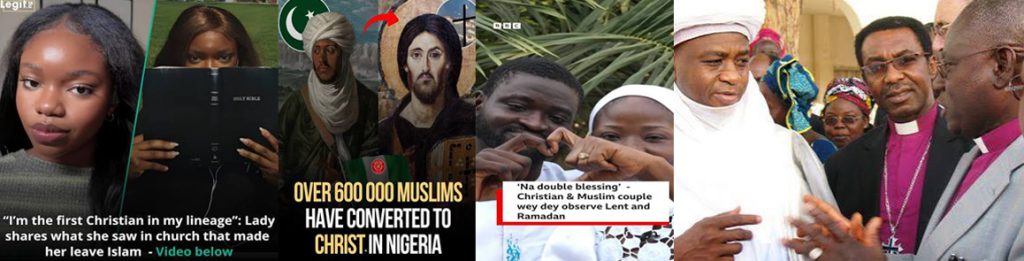
Muhammad and Christianity
AI - Generated
Did the Prophet Muhammad Have Family Members Who Were Christian?
Yes. The Prophet Muhammad had extended family members who were Christian. A well-known example is Waraqah ibn Nawfal, who was the cousin of Muhammad’s first wife, Khadijah. Waraqah was a devoted Christian scholar who translated parts of the Bible into Arabic.
Muhammad’s immediate ancestors, such as his parents, are generally believed by historians to have practiced traditional Arabian polytheism. However, his great-grandfather was known to have Arab, Jewish, and other historical lineages.
Another notable Christian relative was Muhammad's wife, Maria al-Qibtiyah (Mary the Copt). She was a Christian woman from Egypt sent to Arabia as a gift, and she became his wife and the mother of his son, Ibrahim.
The most prominent example of an extended Christian relative is Waraqah ibn Nawfal. When Muhammad first received his divine revelations, he was frightened. He went to Khadijah, who took him to see her cousin Waraqah. Waraqah used his knowledge of Christian and Jewish scriptures to reassure Muhammad that he was a true prophet.
To understand how this worked, think of it like an extended family today. You might have aunts, uncles, or cousins who practice a different branch of Christianity, or a different religion entirely, even though your immediate parents practice something else. In the same way, Muhammad's immediate circle followed the traditions of the time, while some of his relatives by marriage and distant cousins practiced Christianity.
How Were Christian Communities Treated by Muhammad?
The Prophet Muhammad’s treatment of Christian communities was fundamentally defined by diplomatic treaties, religious autonomy, and state protection. As both a religious leader and the head of the early Islamic state, he established explicit legal frameworks ensuring that Christians could practice their faith freely without forced conversion.
The historical interactions and structural policies that defined his relationship with Christian communities include:
1. Diplomatic Covenants of Protection
The Prophet Muhammad issued written charters, known as covenants, to specific Christian groups. These documents served as legal promises of peace and safety:
2. Integration into State Frameworks
When Muhammad migrated to Medina and established its governing charter—the Constitution of Medina—he built a multi-religious polity.
3. Protection of Intermarriage Rights
The Prophet explicitly outlined the rules regarding interfaith families. According to his covenants, if a Christian woman married a Muslim man, she could not be forced to convert. Furthermore, her husband was legally barred from stopping her from attending her church or practicing her faith.
4. Early Sanctuary with a Christian King
The foundation for positive relations began early in Islamic history. When the pagan Quraysh tribe heavily persecuted the early Muslims in Mecca, Muhammad instructed his followers to flee to Abyssinia (modern-day Ethiopia). He chose this location because it was ruled by the Negus, a righteous Christian king whom Muhammad trusted to provide just sanctuary. The king successfully protected the Muslim refugees against their Meccan persecutors.
Historical Nuance
While domestic relations were characterized by local autonomy, geopolitical tensions did arise toward the end of Muhammad's life. Clashes occurred with the Byzantine Empire, a major contemporary Christian superpower. Historians note that these conflicts—such as the Expedition of Tabuk—were driven by political and territorial rivalries between competing regional powers, rather than a religious campaign against the Christian faith itself.
Did Muhammad Have Close Friends Who Were Christian?
Prophet Muhammad had close relationships with Christians. While early followers of Islam were a distinct community, the Prophet respected and protected Christians as "People of the Book" (fellow monotheists). Notable figures in his life included:
Waraqah ibn Nawfal: A respected Christian scholar and the cousin of Muhammad’s first wife, Khadijah. When Muhammad first received divine revelation, Waraqah comforted him, confirmed his prophethood, and vowed to protect him.
King Najashi (The Negus): The Christian ruler of Abyssinia (modern-day Ethiopia). He offered safe haven to early Muslims fleeing persecution in Mecca. The Prophet never met Najashi face-to-face but considered him a close and trusted ally, and led funeral prayers in his honor when the King passed away. The Prophet also signed treaties granting Christian communities protection and the freedom to practice their religion.
Did the Prophet Muhammad Regard Christians as pagans or polytheists?
Prophet Muhammad did not view Christians as pagans or idol worshippers. Instead, he classified them as the Ahl al-Kitab, or "People of the Book". This special status recognized Christians as fellow monotheists who received divine scriptures, fundamentally separating them from the polytheists of pre-Islamic Arabia.
Key Distinctions
The Foundation: Muhammad respected the origins of Christianity. He viewed Jesus (known as Isa in Islam) and the original Gospel (the Injeel) as divinely inspired.
Shared Roots: Because they believed in the same God of Abraham, the Quran permitted Muslims to eat food prepared by Christians and allowed Muslim men to marry Christian women. These privileges were strictly denied to pagans.
Theological Differences
However, the Prophet did not accept all Christian theology. The Quran explicitly rejected the concept of the Trinity and the belief that Jesus is the literal Son of God. In Islam, God is absolute and singular, having "no partners".
Real-World Example
Think of it like different groups using the same math book. Muslims, Christians, and Jews all read the same book of Abrahamic monotheism. Muhammad viewed Christians as reading from the same book, even if he disagreed with how they solved certain equations (like the nature of Jesus). Pagans, on the other hand, were not reading the book at all and followed entirely different belief systems
Did the Prophet Muhammad Have Family Members Who Were Christian?
Yes. The Prophet Muhammad had extended family members who were Christian. A well-known example is Waraqah ibn Nawfal, who was the cousin of Muhammad’s first wife, Khadijah. Waraqah was a devoted Christian scholar who translated parts of the Bible into Arabic.
Muhammad’s immediate ancestors, such as his parents, are generally believed by historians to have practiced traditional Arabian polytheism. However, his great-grandfather was known to have Arab, Jewish, and other historical lineages.
Another notable Christian relative was Muhammad's wife, Maria al-Qibtiyah (Mary the Copt). She was a Christian woman from Egypt sent to Arabia as a gift, and she became his wife and the mother of his son, Ibrahim.
The most prominent example of an extended Christian relative is Waraqah ibn Nawfal. When Muhammad first received his divine revelations, he was frightened. He went to Khadijah, who took him to see her cousin Waraqah. Waraqah used his knowledge of Christian and Jewish scriptures to reassure Muhammad that he was a true prophet.
To understand how this worked, think of it like an extended family today. You might have aunts, uncles, or cousins who practice a different branch of Christianity, or a different religion entirely, even though your immediate parents practice something else. In the same way, Muhammad's immediate circle followed the traditions of the time, while some of his relatives by marriage and distant cousins practiced Christianity.
How Were Christian Communities Treated by Muhammad?
The Prophet Muhammad’s treatment of Christian communities was fundamentally defined by diplomatic treaties, religious autonomy, and state protection. As both a religious leader and the head of the early Islamic state, he established explicit legal frameworks ensuring that Christians could practice their faith freely without forced conversion.
The historical interactions and structural policies that defined his relationship with Christian communities include:
1. Diplomatic Covenants of Protection
The Prophet Muhammad issued written charters, known as covenants, to specific Christian groups. These documents served as legal promises of peace and safety:
- The Ashtiname of Muhammad: This famous charter was granted to the Christian monks of Saint Catherine's Monastery in the Sinai Peninsula. It exempted the monks from taxes, protected them from military conscription, and made it illegal for Muslims to destroy or damage their property.
- The Covenant with the Christians of Najran: When a large Christian delegation from Najran (modern-day Saudi Arabia/Yemen border) visited Medina to discuss theology, Muhammad granted them a treaty. The document guaranteed that their bishops, monks, and priests would retain their positions, and that their churches and wealth would remain entirely untouched.
2. Integration into State Frameworks
When Muhammad migrated to Medina and established its governing charter—the Constitution of Medina—he built a multi-religious polity.
- Freedom of Worship: The framework established that monotheistic communities were equal members of the political community (Ummah). They were entitled to full protection and the right to practice their faith openly without state interference.
- Taxation for Protection: Christians living under Islamic rule were eventually designated as Dhimmi (protected people). In exchange for a nominal tax (Jizya), the Islamic state assumed the legal obligation to defend them from external aggression, while simultaneously exempting them from mandatory military service.
3. Protection of Intermarriage Rights
The Prophet explicitly outlined the rules regarding interfaith families. According to his covenants, if a Christian woman married a Muslim man, she could not be forced to convert. Furthermore, her husband was legally barred from stopping her from attending her church or practicing her faith.
4. Early Sanctuary with a Christian King
The foundation for positive relations began early in Islamic history. When the pagan Quraysh tribe heavily persecuted the early Muslims in Mecca, Muhammad instructed his followers to flee to Abyssinia (modern-day Ethiopia). He chose this location because it was ruled by the Negus, a righteous Christian king whom Muhammad trusted to provide just sanctuary. The king successfully protected the Muslim refugees against their Meccan persecutors.
Historical Nuance
While domestic relations were characterized by local autonomy, geopolitical tensions did arise toward the end of Muhammad's life. Clashes occurred with the Byzantine Empire, a major contemporary Christian superpower. Historians note that these conflicts—such as the Expedition of Tabuk—were driven by political and territorial rivalries between competing regional powers, rather than a religious campaign against the Christian faith itself.
Did Muhammad Have Close Friends Who Were Christian?
Prophet Muhammad had close relationships with Christians. While early followers of Islam were a distinct community, the Prophet respected and protected Christians as "People of the Book" (fellow monotheists). Notable figures in his life included:
Waraqah ibn Nawfal: A respected Christian scholar and the cousin of Muhammad’s first wife, Khadijah. When Muhammad first received divine revelation, Waraqah comforted him, confirmed his prophethood, and vowed to protect him.
King Najashi (The Negus): The Christian ruler of Abyssinia (modern-day Ethiopia). He offered safe haven to early Muslims fleeing persecution in Mecca. The Prophet never met Najashi face-to-face but considered him a close and trusted ally, and led funeral prayers in his honor when the King passed away. The Prophet also signed treaties granting Christian communities protection and the freedom to practice their religion.
Did the Prophet Muhammad Regard Christians as pagans or polytheists?
Prophet Muhammad did not view Christians as pagans or idol worshippers. Instead, he classified them as the Ahl al-Kitab, or "People of the Book". This special status recognized Christians as fellow monotheists who received divine scriptures, fundamentally separating them from the polytheists of pre-Islamic Arabia.
Key Distinctions
The Foundation: Muhammad respected the origins of Christianity. He viewed Jesus (known as Isa in Islam) and the original Gospel (the Injeel) as divinely inspired.
Shared Roots: Because they believed in the same God of Abraham, the Quran permitted Muslims to eat food prepared by Christians and allowed Muslim men to marry Christian women. These privileges were strictly denied to pagans.
Theological Differences
However, the Prophet did not accept all Christian theology. The Quran explicitly rejected the concept of the Trinity and the belief that Jesus is the literal Son of God. In Islam, God is absolute and singular, having "no partners".
Real-World Example
Think of it like different groups using the same math book. Muslims, Christians, and Jews all read the same book of Abrahamic monotheism. Muhammad viewed Christians as reading from the same book, even if he disagreed with how they solved certain equations (like the nature of Jesus). Pagans, on the other hand, were not reading the book at all and followed entirely different belief systems
Last edited: