

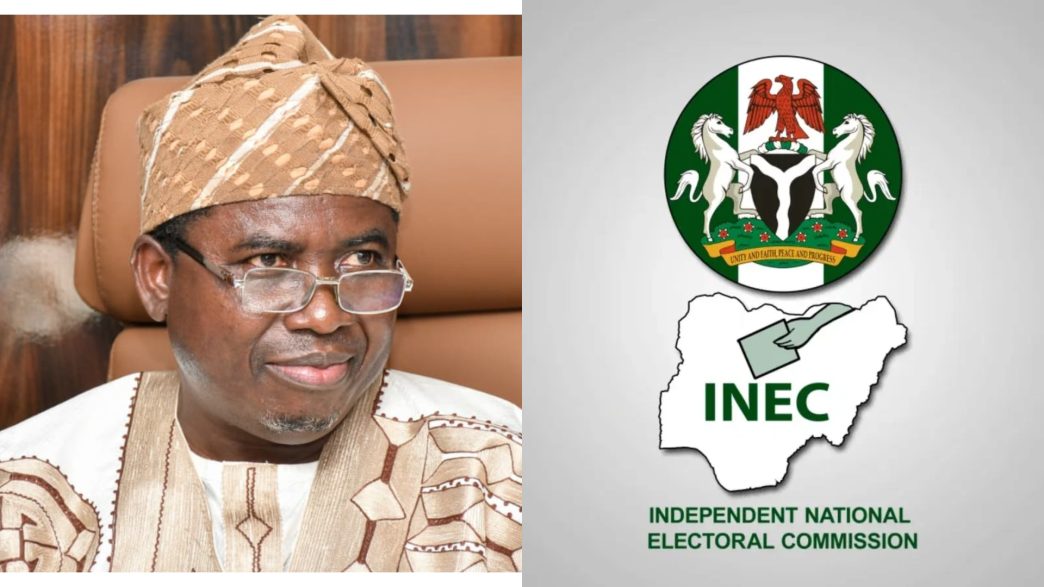
Nigeria’s electoral body, the Independent National Electoral Commission (INEC), is facing renewed scrutiny following a series of controversies that have raised questions about its neutrality.
INEC is constitutionally expected to operate as an independent and non-partisan institution, but recent developments have sparked debate about whether it is living up to that standard.
Allegations of Political Bias
At the center of the controversy is Prof. Joash Amupitan, SAN, who has been linked to past social media activity that appeared supportive of President Bola Tinubu and the ruling All Progressives Congress (APC).
Screenshots that circulated online showed posts from 2023 in which the account allegedly associated with him made comments seen as politically aligned. These included remarks interpreted as supportive of APC victories and dismissive of opposition supporters.
The resurfacing of these posts has led critics to question whether someone in such a sensitive electoral position should have any perceived political leaning past or present.
INEC’s Response and Fact-Check Claims
In response to the allegations, INEC stated that the chairman did not operate a Twitter (now X) account, distancing itself from the claims.
However, online fact-checkers and community notes challenged this position, suggesting links between the alleged account and identifiable contact details.
This contradiction has fueled skepticism, with many Nigerians questioning the accuracy of INEC’s official statements.
Another Controversy: Statement Similarities
The situation escalated further when observers noticed that one of INEC’s public statements closely mirrored a post made by a presidential aide, Dada Olusegun.
While INEC did not initially acknowledge any overlap, comparisons circulated online appeared to show striking similarities between both statements.
This added another layer to the ongoing concerns, with critics arguing that such incidents weaken public trust in the commission’s independence.
Public Reaction and Calls for Accountability
The controversies have triggered strong reactions across social media and political circles.
Some Nigerians are calling for greater transparency and accountability within INEC, while others have gone further to demand leadership changes.
Supporters of the commission, however, argue that conclusions should not be rushed without concrete, verified evidence.
Why This Matters
As Nigeria looks ahead to future elections, public confidence in INEC remains critical.
An electoral body’s credibility is one of the foundations of a functioning democracy. Even the perception of bias, whether proven or not, can influence how election outcomes are received.
Final Take
At this stage, the situation remains a mix of allegations, denials, and ongoing public debate.
What is clear, however, is that trust in electoral institutions must be continuously earned and protected. How INEC addresses these concerns moving forward will play a significant role in shaping public confidence ahead of future elections.