

4th President of Russia
Term: 7 May 2012 – present
Predecessor: Dmitry Medvedev
Successor: Incumbent
Prime Minister(s): Dmitry Medvedev & Mikhail Mishustin
Election: 2012, 2018, 2024
Prime Minister of Russia
Term: 8 May 2008 – 7 May 2012
President: Dmitry Medvedev
Predecessor: Viktor Zubkov
Successor: Dmitry Medvedev
2nd President of Russia
Term: 7 May 2000 – 7 May 2008
Predecessor: Boris Yeltsin
Successor: Dmitry Medvedev
Prime Minister(s): Mikhail Kasyanov, Mikhail Fradkov, Viktor Zubkov
Election: 2000-2004
Acting President of Russia
Term: 31 December 1999 – 7 May 2000
Predecessor: Boris Yeltsin
Personal Details
Birth Date: 7 October 1952
Birth Place: Leningrad, Russian SFSR, Soviet Union
Nationality: Russian
Party: United Russia
Occupation: Politician and former intelligence officer
Alma Mater: Leningrad State University
Education: Law degree (1975)
Religion: Russian Orthodox
Website: en.kremlin.ru
Allegiance: Soviet Union
Branch: KGB
Service Years: 1975–1991
Rank: Lieutenant colonel
Vladimir Vladimirovich Putin (Владимир Владимирович Путин) is a Russian politician and former intelligence officer who has served as President of Russia since 7 May 2012. He previously served as president from 31 December 1999 to 7 May 2008 and as Prime Minister from 8 May 2008 to 7 May 2012.
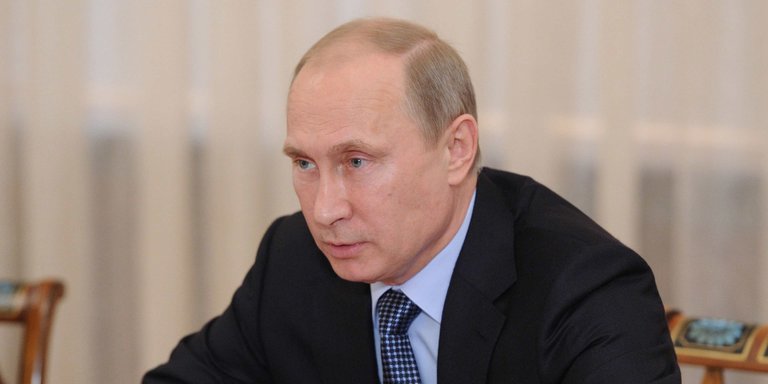
Putin was born in Leningrad (now Saint Petersburg) October 7, 1952 to working-class parents. He graduated from Leningrad State University with a law degree in 1975 and then joined the KGB, where he worked for 16 years. From 1985 to 1990, he served as a foreign intelligence officer in Dresden, East Germany.
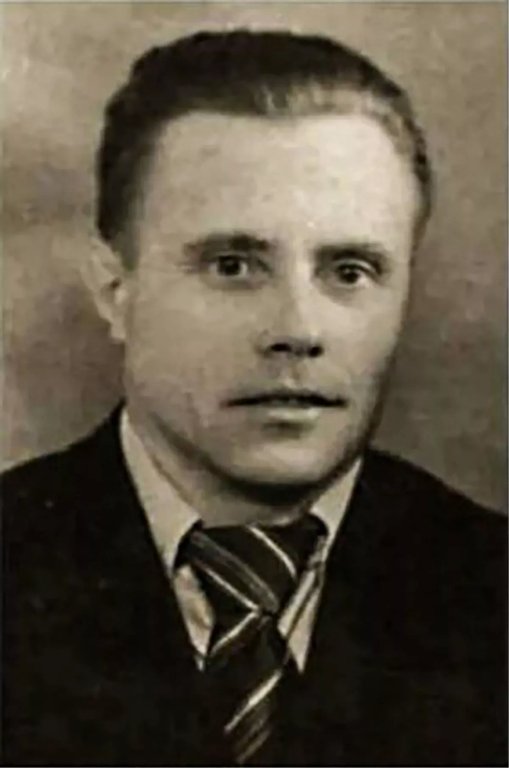
Vladimir Spiridonovich Putin, father of Vladimir Putin
After the collapse of the Soviet Union, Putin entered politics in Saint Petersburg, serving as deputy mayor. He later moved to Moscow, where he became director of the Federal Security Service (FSB) in 1998. In August 1999, President Boris Yeltsin appointed him prime minister, and later that year Putin became acting president.
Putin was elected president in 2000 and re-elected in 2004, 2012, 2018, and 2024. Constitutional amendments approved in 2020 reset presidential term limits, allowing him to run again. His current term is scheduled to end in 2030.
During his time in office, Putin has centralized political power, increased state control over major media outlets and key industries, modernized Russia's military, and pursued an assertive foreign policy. Major events during his presidency include Russia's annexation of Crimea in 2014 and the full-scale invasion of Ukraine in 2022.
On 17 March 2023, the International Criminal Court (ICC) issued an arrest warrant for Putin, alleging war crimes under Articles 8(2)(a)(vii) and 8(2)(b)(viii) of the Rome Statute. The warrant concerns the alleged unlawful deportation and transfer of children from occupied areas of Ukraine since at least 24 February 2022..
As a child, Vladimir Putin often got into street fights and other trouble in the courtyards of Leningrad. He later described growing up in a rough neighborhood where fights between boys were common. When he was about 12 or 13 years old, he decided to channel his energy into martial arts. He joined a sambo club, a Soviet martial art that combines judo and wrestling, and later focused on judo. Over time, he became highly skilled, earning the title of Master of Sports and winning several city championships.
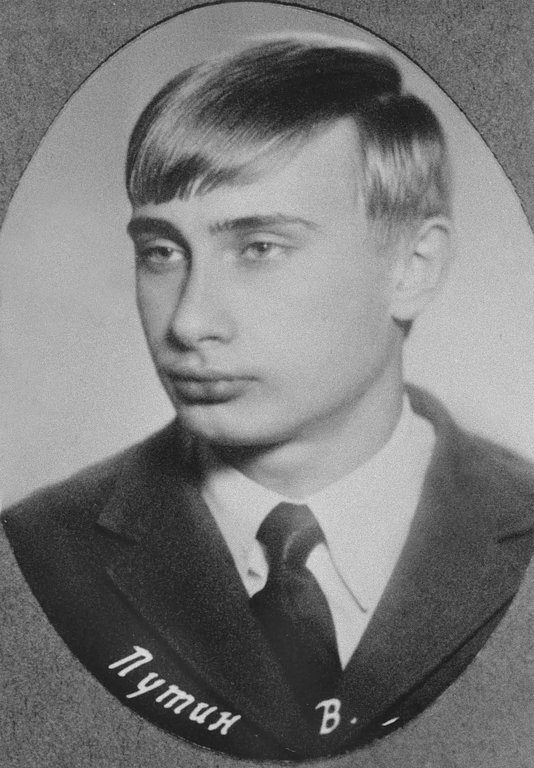
Vladimir Putin as a youth
Putin also developed an early interest in espionage after reading adventure novels. As a teenager, he even contacted local authorities about working in intelligence. He was told that he would first need a legal education. According to Putin's later accounts, growing up in the harsh, postwar environment of Leningrad helped shape his lifelong emphasis on personal toughness, discipline, and maintaining order.
While in college, Putin became more committed to serving the Soviet state. As a teenager, he had developed an interest in espionage after reading spy novels, and he saw a law degree as a stepping stone to joining the KGB rather than becoming a lawyer or political activist.
In 1972, he joined the Communist Party of the Soviet Union, an important step for anyone seeking a career in the KGB. Although he participated in Komsomol, the Soviet communist youth organization, he later said his involvement was mainly practical rather than driven by strong ideological beliefs.
His studies in international law also shaped his view of world politics. He came to see international relations as a struggle between states pursuing their own interests, with national sovereignty and strategic power taking priority over political ideals. By the time he graduated, his outlook emphasized order, loyalty to the state, and using laws and institutions to strengthen government authority.
He began his career by training at the KGB's 401st School in Okhta, near Leningrad. The program lasted about six months to a year and covered basic intelligence skills, including surveillance, recruiting informants, and operational security.
After completing his training, Putin was assigned to the KGB's Second Chief Directorate in Leningrad, which handled domestic counterintelligence. His work involved monitoring possible foreign spies and recruiting sources among foreign visitors to the Soviet Union.
He remained in this role until about 1985. During these years, he worked mainly from the Leningrad KGB office and gained experience in internal security rather than overseas espionage. Available records suggest he was considered a competent but average officer, with language skills—especially German—identified as one of his weaker areas.
Although later accounts often emphasize his career in foreign intelligence, his early years followed the normal path for many KGB officers: beginning in domestic counterintelligence before preparing for assignments abroad.
Although intelligence work was his mission, much of his time was spent on routine administrative tasks such as writing reports and managing informants. Former colleagues later said that paperwork occupied most of his work. During these years, Putin became fluent in German. His wife, Lyudmila, and their two daughters lived with him, and the family enjoyed a higher standard of living than they had in the Soviet Union because East Germany offered greater access to Western goods.
Living in East Germany gave Putin a firsthand look at a communist system that appeared more organized and efficient than the Soviet Union's, although it was already facing serious economic problems.
The dramatic events of 1989 had a lasting impact on him. After the Berlin Wall fell on November 9, East Germany's communist government quickly began to collapse. On December 5, protesters stormed the nearby Stasi headquarters before moving toward the KGB office where Putin was stationed.
Putin confronted the crowd and warned that armed guards would use force if necessary, causing the protesters to back away temporarily. He then supervised the destruction of secret KGB files, personally burning large amounts of classified material until the building's furnace became overloaded.
When he called a nearby Soviet military unit for assistance, he was told that Moscow had given no orders, leaving local officials on their own. Putin later described this moment as proof of how quickly a government can lose control when its central authority disappears.
The experience deeply influenced his political thinking. He later said it convinced him that a strong, stable state is essential and that governments must avoid losing control during times of crisis.
Putin returned to Leningrad in early 1990 as Soviet operations in East Germany came to an end and the Soviet Union itself entered its final period of decline.
In June 1990, his former law professor, Anatoly Sobchak, was elected chairman of the Leningrad City Soviet. Sobchak invited Putin to become his advisor on international affairs. While working in city government, Putin initially remained affiliated with the KGB.
After the failed coup against Mikhail Gorbachev in August 1991, Putin resigned from the KGB with the rank of lieutenant colonel. He later said he opposed the coup and chose to continue working with Sobchak as Russia moved toward democratic reforms and the Soviet Union dissolved.
When Sobchak became the city's first mayor in 1991, Putin was appointed chairman of the Committee for External Relations. His responsibilities included:
Putin's responsibilities steadily expanded:
After Sobchak lost the 1996 gubernatorial election, Putin resigned from city government and moved to Moscow. Although city contracts were investigated, he was never charged with any wrongdoing.
His rise through the federal government was rapid:
In March 1999, he also became Secretary of the Security Council, coordinating Russia's defense and security agencies.
The bombings have remained controversial. Some opposition figures, former intelligence officers, and later commentators alleged that the FSB may have been involved, but no definitive evidence has established those claims, and the Russian government has consistently denied them.
Against this backdrop, President Boris Yeltsin appointed Putin Prime Minister on August 9, 1999. He was Yeltsin's fifth prime minister in just 17 months. Putin quickly became popular through his tough response to the conflict in Chechnya and his image as a decisive leader. His approval ratings rose from below 10% to over 50% within a few months. Yeltsin increasingly viewed Putin as his preferred successor. On December 31, 1999, Yeltsin unexpectedly resigned, making Putin Acting President of Russia and setting the stage for his election as president the following year.
Succession from Boris Yeltsin and First Presidential Election
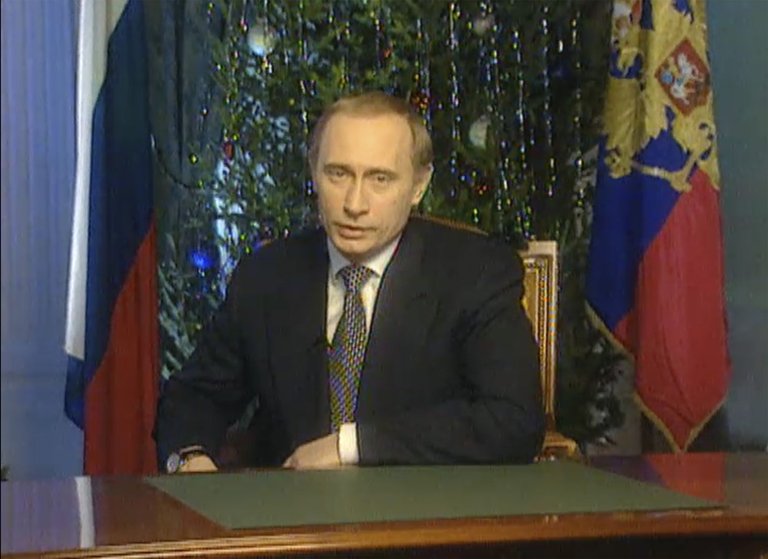
Putin giving his first address as acting president following Yeltsin's resignation
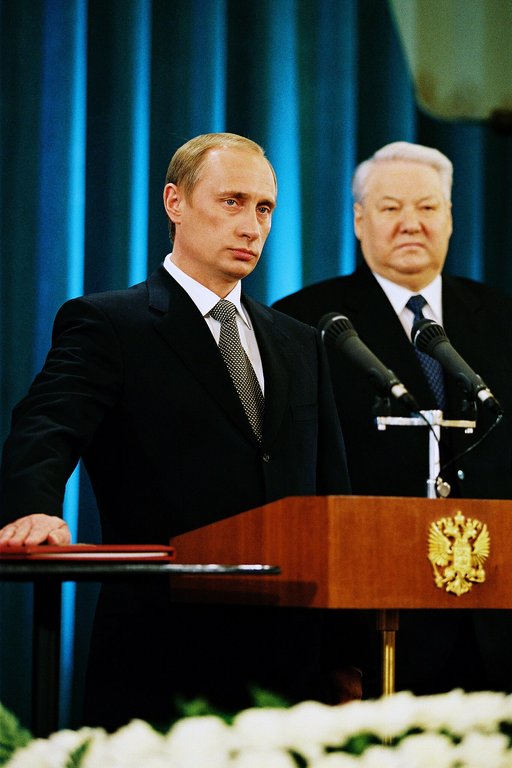
Putin being inaugurated as president on May 7, 2000, with Boris Yeltsin behind him
Although Yeltsin's term was due to end in 2000, his early resignation gave Putin the advantage of running as the sitting head of state. Putin had only become prime minister on August 9, 1999, after Yeltsin replaced several previous prime ministers during a period of political instability.
Many observers viewed Yeltsin's resignation as a clear endorsement of Putin as his successor. It also helped ensure continuity in government and may have been intended to protect Yeltsin and members of his inner circle from possible future legal action.
Putin's popularity rose quickly. When he became prime minister, his approval rating was about 35%. By the end of 1999, it had climbed to over 65%, largely because of his response to the Second Chechen War. In late August 1999, Chechen militants invaded the neighboring Russian republic of Dagestan. Soon afterward, a series of apartment bombings in Russian cities, blamed by the Russian government on terrorists, shocked the country. Putin responded with a large-scale military campaign that appealed to many Russians who wanted a stronger government after the turmoil of the 1990s.
The Russian Central Election Commission scheduled a snap presidential election for March 26, 2000, as required by law. Putin ran on promises to restore order, strengthen the state, and stabilize the economy. Although he did not belong to a political party, he was backed by the newly formed pro-Kremlin Unity bloc.
His main opponents were Communist Party leader Gennady Zyuganov, who focused on social welfare, and liberal candidate Grigory Yavlinsky.
Voter turnout was 68.64%. According to the official results, Putin won 52.94% of the vote (39,855,372 ballots), giving him an outright victory without the need for a second-round runoff. Zyuganov finished second with 29.21% of the vote.
International observers, including the U.S. Embassy in Moscow, described the election as reasonably free and fair. They noted that while voters had genuine choices, Putin benefited from more favorable media coverage and greater access to government resources than his opponents.
Putin was inaugurated on May 7, 2000, officially ending the Yeltsin era and beginning his first term as President of Russia.
One of Putin's first priorities was rebuilding the economy after the 1998 financial crisis, which had caused economic decline, high inflation, and widespread poverty. His government introduced several reforms, including a 13% flat income tax in 2001, making the tax system simpler and improving tax collection. It also reduced business regulations to encourage investment.
These policies, combined with the earlier devaluation of the ruble and rapidly rising global oil prices (from about $20 per barrel in 2000 to over $40 by 2004), helped drive strong economic growth. Russia's GDP grew by:
Security was another major focus. Russia was fighting the Second Chechen War, which had intensified in 1999. Federal forces captured Grozny in February 2000 and regained control over most of Chechnya, although fighting continued through insurgent attacks such as the Moscow theater hostage crisis in October 2002.
Putin argued that the campaign was necessary to protect Russia from separatism and Islamist terrorism. After the September 11, 2001 attacks, he also offered intelligence cooperation to the United States. His firm approach kept his approval ratings above 70%. In 2000, he appointed Akhmad Kadyrov to lead Chechnya's pro-Moscow government, beginning a system of limited local autonomy under federal control.
Putin also worked to strengthen the central government. In May 2000, he created seven federal districts, each overseen by a presidential envoy responsible for ensuring that regional governments followed federal law. He also reformed the Federation Council, replacing governors and regional parliamentary leaders with appointed representatives.
These measures became known as the "power vertical," a system designed to increase Moscow's authority, reduce regional independence, and improve tax collection and government coordination. By 2004, the federal government had greater financial control over the regions.
Relations with Russia's powerful oligarchs also changed. In July 2000, Putin met with 21 leading business figures and told them they could keep their wealth if they stayed out of politics and paid their taxes.
Several influential media owners later lost control of their companies. Vladimir Gusinsky lost control of NTV and left Russia in 2000, while Boris Berezovsky gave up his stake in ORT and went into exile in 2001. The government said these actions enforced tax and anti-corruption laws, while critics argued they weakened independent media and increased state control over television.
One major setback came in August 2000, when the Kursk submarine sank. The government's slow and secretive response drew widespread criticism, although Putin's overall popularity remained high because of the country's improving economy and greater political stability.
Russia experienced another period of rapid economic growth. Real GDP increased by:
To reduce dependence on volatile oil revenues, the government created the Stabilization Fund on January 1, 2004. The fund saved excess oil tax revenue, helping protect the budget from future price swings while supporting infrastructure spending. By the end of its first year, it contained more than 83 billion rubles.
Putin also reorganized the federal government. A March 2004 presidential decree reduced the number of ministries from about 23 to 14 and divided government agencies into three groups:
A major turning point came after the Beslan school hostage crisis in September 2004, in which more than 330 people were killed. In response, Putin announced reforms that further strengthened the federal government.
These included ending the direct election of regional governors. Instead, governors would be nominated by the president and approved by regional legislatures. The reforms, signed into law in December 2004, also coordinated federal and regional election schedules.
The government argued these changes would improve national security and strengthen the fight against terrorism. Critics argued they reduced regional democracy and concentrated more power in the presidency.
Putin also launched four National Priority Projects in 2005, increasing government investment in:
In his April 25, 2005 Annual Address to the Federal Assembly, Putin stated:
However, not every reform was popular. In 2005, the government replaced many in-kind social benefits with cash payments, a policy known as the monetization of benefits. The change sparked nationwide protests, with many Russians believing they had lost valuable social support.
Overall, Putin's second term was marked by strong economic growth fueled largely by high energy prices, expanded government investment, and continued centralization of political power. Supporters viewed these policies as strengthening the Russian state and improving stability, while critics argued they reduced regional autonomy and weakened democratic institutions.
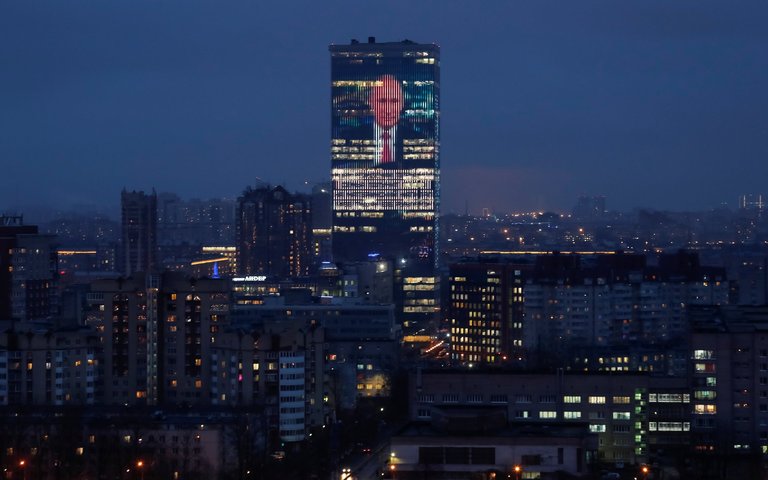
Large projection of Vladimir Putin on a building in Moscow in May 2008.
Because the Russian Constitution barred a third consecutive presidential term, Putin used the prime minister's office to remain in power. Although Medvedev carried out the formal duties of the presidency, many analysts believed Putin continued to make the most important decisions, especially on the economy, national security, and foreign policy. In practice, the prime minister's office became the center of political power.
Medvedev made modernization a key priority. He wanted to reduce Russia's dependence on oil and gas by promoting technology and innovation. One of his biggest projects was the Skolkovo Innovation Center, launched in 2010 to encourage research and high-tech businesses. He also proposed reforms to reduce government involvement in the economy, fight corruption, make it easier for political parties to register, and restore direct elections for regional governors.
Despite these goals, most reforms produced only limited results. Bureaucratic resistance and the existing political system slowed implementation, and many critics argued that Putin's dominant role favored stability over major change.
In foreign policy, Russia sought to improve relations with Western countries through a policy known as the "reset," while also using economic partnerships to expand its influence. However, the 2008 war with Georgia showed that Russia was still willing to use military force to defend what it saw as its strategic interests.
The global financial crisis of 2008–2009 hit Russia hard. Falling oil prices and capital flight caused the economy to shrink by about 7.8% in 2009. In response, Putin's government introduced a stimulus package worth nearly 7% of GDP, spending around $200 billion on bank bailouts, infrastructure projects, and support from government reserve funds. These measures stabilized the ruble and helped the economy return to 4.3% growth in 2010.
Medvedev criticized some delays in responding to the crisis but generally supported Putin's approach. The government also increased social benefits and financial aid for key industries to reduce the impact of rising unemployment, which peaked at 8.2% in 2009. While these policies helped maintain economic and political stability, they also increased the state's role in the economy, making diversification more difficult.
Military reforms also continued during this period. After weaknesses exposed during the 2008 war with Georgia, the government accelerated modernization of the armed forces. Putin oversaw major defense spending, including a long-term weapons program that dedicated about 10% of its funding to modernizing Russia's nuclear forces.
Public support for the leadership remained strong. Polls in 2009 showed about 82% approval for Putin's handling of the financial crisis, reflecting widespread confidence in his leadership during a difficult period.
By 2011, as Putin announced his intention to return to the presidency, the limits of the tandem system had become clear. Although it produced some gradual reforms, it did not bring the major political or economic changes that Medvedev had promised.
Comprehensive Reference List
Term: 7 May 2012 – present
Predecessor: Dmitry Medvedev
Successor: Incumbent
Prime Minister(s): Dmitry Medvedev & Mikhail Mishustin
Election: 2012, 2018, 2024
Prime Minister of Russia
Term: 8 May 2008 – 7 May 2012
President: Dmitry Medvedev
Predecessor: Viktor Zubkov
Successor: Dmitry Medvedev
2nd President of Russia
Term: 7 May 2000 – 7 May 2008
Predecessor: Boris Yeltsin
Successor: Dmitry Medvedev
Prime Minister(s): Mikhail Kasyanov, Mikhail Fradkov, Viktor Zubkov
Election: 2000-2004
Acting President of Russia
Term: 31 December 1999 – 7 May 2000
Predecessor: Boris Yeltsin
Personal Details
Birth Date: 7 October 1952
Birth Place: Leningrad, Russian SFSR, Soviet Union
Nationality: Russian
Party: United Russia
Occupation: Politician and former intelligence officer
Alma Mater: Leningrad State University
Education: Law degree (1975)
Religion: Russian Orthodox
Website: en.kremlin.ru
Allegiance: Soviet Union
Branch: KGB
Service Years: 1975–1991
Rank: Lieutenant colonel
Vladimir Vladimirovich Putin (Владимир Владимирович Путин) is a Russian politician and former intelligence officer who has served as President of Russia since 7 May 2012. He previously served as president from 31 December 1999 to 7 May 2008 and as Prime Minister from 8 May 2008 to 7 May 2012.
Putin was born in Leningrad (now Saint Petersburg) October 7, 1952 to working-class parents. He graduated from Leningrad State University with a law degree in 1975 and then joined the KGB, where he worked for 16 years. From 1985 to 1990, he served as a foreign intelligence officer in Dresden, East Germany.
Vladimir Spiridonovich Putin, father of Vladimir Putin
After the collapse of the Soviet Union, Putin entered politics in Saint Petersburg, serving as deputy mayor. He later moved to Moscow, where he became director of the Federal Security Service (FSB) in 1998. In August 1999, President Boris Yeltsin appointed him prime minister, and later that year Putin became acting president.
Putin was elected president in 2000 and re-elected in 2004, 2012, 2018, and 2024. Constitutional amendments approved in 2020 reset presidential term limits, allowing him to run again. His current term is scheduled to end in 2030.
During his time in office, Putin has centralized political power, increased state control over major media outlets and key industries, modernized Russia's military, and pursued an assertive foreign policy. Major events during his presidency include Russia's annexation of Crimea in 2014 and the full-scale invasion of Ukraine in 2022.
On 17 March 2023, the International Criminal Court (ICC) issued an arrest warrant for Putin, alleging war crimes under Articles 8(2)(a)(vii) and 8(2)(b)(viii) of the Rome Statute. The warrant concerns the alleged unlawful deportation and transfer of children from occupied areas of Ukraine since at least 24 February 2022..
As a child, Vladimir Putin often got into street fights and other trouble in the courtyards of Leningrad. He later described growing up in a rough neighborhood where fights between boys were common. When he was about 12 or 13 years old, he decided to channel his energy into martial arts. He joined a sambo club, a Soviet martial art that combines judo and wrestling, and later focused on judo. Over time, he became highly skilled, earning the title of Master of Sports and winning several city championships.
Vladimir Putin as a youth
Putin also developed an early interest in espionage after reading adventure novels. As a teenager, he even contacted local authorities about working in intelligence. He was told that he would first need a legal education. According to Putin's later accounts, growing up in the harsh, postwar environment of Leningrad helped shape his lifelong emphasis on personal toughness, discipline, and maintaining order.
University Studies and Early Beliefs
Putin entered the Faculty of Law at Leningrad State University in 1970 after passing competitive entrance exams, even though he was not considered an outstanding high school student. He studied international law, a subject that focused on how countries protect and advance their interests. He graduated with a law degree in 1975, earning grades that qualified him for government service.While in college, Putin became more committed to serving the Soviet state. As a teenager, he had developed an interest in espionage after reading spy novels, and he saw a law degree as a stepping stone to joining the KGB rather than becoming a lawyer or political activist.
In 1972, he joined the Communist Party of the Soviet Union, an important step for anyone seeking a career in the KGB. Although he participated in Komsomol, the Soviet communist youth organization, he later said his involvement was mainly practical rather than driven by strong ideological beliefs.
His studies in international law also shaped his view of world politics. He came to see international relations as a struggle between states pursuing their own interests, with national sovereignty and strategic power taking priority over political ideals. By the time he graduated, his outlook emphasized order, loyalty to the state, and using laws and institutions to strengthen government authority.
KGB Recruitment, Training, and Early Career
After graduating from Leningrad State University in June 1975, Putin was recruited into the KGB. His interest in intelligence work had begun during college, when spy novels inspired him to visit a local KGB recruitment office to ask how he could join.He began his career by training at the KGB's 401st School in Okhta, near Leningrad. The program lasted about six months to a year and covered basic intelligence skills, including surveillance, recruiting informants, and operational security.
After completing his training, Putin was assigned to the KGB's Second Chief Directorate in Leningrad, which handled domestic counterintelligence. His work involved monitoring possible foreign spies and recruiting sources among foreign visitors to the Soviet Union.
He remained in this role until about 1985. During these years, he worked mainly from the Leningrad KGB office and gained experience in internal security rather than overseas espionage. Available records suggest he was considered a competent but average officer, with language skills—especially German—identified as one of his weaker areas.
Although later accounts often emphasize his career in foreign intelligence, his early years followed the normal path for many KGB officers: beginning in domestic counterintelligence before preparing for assignments abroad.
Service in East Germany and the Fall of the Berlin Wall
In August 1985, 32-year-old Vladimir Putin was assigned to Dresden, East Germany, as a KGB officer on his first overseas posting. Officially, he worked as a consular officer, but his real job was intelligence gathering. He recruited potential informants among Western visitors, including academics, journalists, and businesspeople, while working closely with the Stasi, East Germany's secret police.Although intelligence work was his mission, much of his time was spent on routine administrative tasks such as writing reports and managing informants. Former colleagues later said that paperwork occupied most of his work. During these years, Putin became fluent in German. His wife, Lyudmila, and their two daughters lived with him, and the family enjoyed a higher standard of living than they had in the Soviet Union because East Germany offered greater access to Western goods.
Living in East Germany gave Putin a firsthand look at a communist system that appeared more organized and efficient than the Soviet Union's, although it was already facing serious economic problems.
The dramatic events of 1989 had a lasting impact on him. After the Berlin Wall fell on November 9, East Germany's communist government quickly began to collapse. On December 5, protesters stormed the nearby Stasi headquarters before moving toward the KGB office where Putin was stationed.
Putin confronted the crowd and warned that armed guards would use force if necessary, causing the protesters to back away temporarily. He then supervised the destruction of secret KGB files, personally burning large amounts of classified material until the building's furnace became overloaded.
When he called a nearby Soviet military unit for assistance, he was told that Moscow had given no orders, leaving local officials on their own. Putin later described this moment as proof of how quickly a government can lose control when its central authority disappears.
The experience deeply influenced his political thinking. He later said it convinced him that a strong, stable state is essential and that governments must avoid losing control during times of crisis.
Putin returned to Leningrad in early 1990 as Soviet operations in East Germany came to an end and the Soviet Union itself entered its final period of decline.
Transition to Civilian Government
Following his return, Putin briefly resumed work with the KGB in counterintelligence.In June 1990, his former law professor, Anatoly Sobchak, was elected chairman of the Leningrad City Soviet. Sobchak invited Putin to become his advisor on international affairs. While working in city government, Putin initially remained affiliated with the KGB.
After the failed coup against Mikhail Gorbachev in August 1991, Putin resigned from the KGB with the rank of lieutenant colonel. He later said he opposed the coup and chose to continue working with Sobchak as Russia moved toward democratic reforms and the Soviet Union dissolved.
Rise to Political Power
Administrative Roles in Saint Petersburg
After leaving the KGB, Putin became one of Anatoly Sobchak's closest aides in Saint Petersburg.When Sobchak became the city's first mayor in 1991, Putin was appointed chairman of the Committee for External Relations. His responsibilities included:
- Attracting foreign investment.
- Building trade partnerships.
- Managing export licenses.
- Negotiating agreements to exchange Russian raw materials for imported food during severe shortages.
Putin's responsibilities steadily expanded:
- 1992: Became deputy mayor while continuing to oversee foreign relations.
- 1994: Promoted to first deputy chairman of the Saint Petersburg City Government, giving him broader authority over economic development and real estate.
After Sobchak lost the 1996 gubernatorial election, Putin resigned from city government and moved to Moscow. Although city contracts were investigated, he was never charged with any wrongdoing.
Move to Moscow and Rise in the Kremlin
In August 1996, Putin joined President Boris Yeltsin's administration in Moscow as deputy to Pavel Borodin, who managed Kremlin property.His rise through the federal government was rapid:
- March 1997: Appointed Deputy Head of the Main Control Directorate, where he audited government agencies.
- May 1998: Promoted to First Deputy Head of the Presidential Administration, overseeing personnel and administrative matters.
- July 25, 1998: Appointed Director of the Federal Security Service (FSB), the agency that succeeded the KGB.
In March 1999, he also became Secretary of the Security Council, coordinating Russia's defense and security agencies.
Becoming Prime Minister
In August 1999, Islamist fighters entered Dagestan, triggering renewed conflict in the North Caucasus. A series of apartment bombings later that year killed more than 300 people. Russian authorities blamed Chechen militants for the attacks.The bombings have remained controversial. Some opposition figures, former intelligence officers, and later commentators alleged that the FSB may have been involved, but no definitive evidence has established those claims, and the Russian government has consistently denied them.
Against this backdrop, President Boris Yeltsin appointed Putin Prime Minister on August 9, 1999. He was Yeltsin's fifth prime minister in just 17 months. Putin quickly became popular through his tough response to the conflict in Chechnya and his image as a decisive leader. His approval ratings rose from below 10% to over 50% within a few months. Yeltsin increasingly viewed Putin as his preferred successor. On December 31, 1999, Yeltsin unexpectedly resigned, making Putin Acting President of Russia and setting the stage for his election as president the following year.
Succession from Boris Yeltsin and First Presidential Election
Putin giving his first address as acting president following Yeltsin's resignation
Putin being inaugurated as president on May 7, 2000, with Boris Yeltsin behind him
Putin Becomes Acting President and Wins the 2000 Election
On December 31, 1999, Russian President Boris Yeltsin unexpectedly resigned, saying Russia needed new leadership to deal with its economic and security problems. In a televised speech, he transferred presidential powers to Prime Minister Vladimir Putin, who became acting president under Article 92 of the Russian Constitution. The constitution requires the prime minister to take over until a new presidential election is held.Although Yeltsin's term was due to end in 2000, his early resignation gave Putin the advantage of running as the sitting head of state. Putin had only become prime minister on August 9, 1999, after Yeltsin replaced several previous prime ministers during a period of political instability.
Many observers viewed Yeltsin's resignation as a clear endorsement of Putin as his successor. It also helped ensure continuity in government and may have been intended to protect Yeltsin and members of his inner circle from possible future legal action.
Putin's popularity rose quickly. When he became prime minister, his approval rating was about 35%. By the end of 1999, it had climbed to over 65%, largely because of his response to the Second Chechen War. In late August 1999, Chechen militants invaded the neighboring Russian republic of Dagestan. Soon afterward, a series of apartment bombings in Russian cities, blamed by the Russian government on terrorists, shocked the country. Putin responded with a large-scale military campaign that appealed to many Russians who wanted a stronger government after the turmoil of the 1990s.
The Russian Central Election Commission scheduled a snap presidential election for March 26, 2000, as required by law. Putin ran on promises to restore order, strengthen the state, and stabilize the economy. Although he did not belong to a political party, he was backed by the newly formed pro-Kremlin Unity bloc.
His main opponents were Communist Party leader Gennady Zyuganov, who focused on social welfare, and liberal candidate Grigory Yavlinsky.
Voter turnout was 68.64%. According to the official results, Putin won 52.94% of the vote (39,855,372 ballots), giving him an outright victory without the need for a second-round runoff. Zyuganov finished second with 29.21% of the vote.
International observers, including the U.S. Embassy in Moscow, described the election as reasonably free and fair. They noted that while voters had genuine choices, Putin benefited from more favorable media coverage and greater access to government resources than his opponents.
Putin was inaugurated on May 7, 2000, officially ending the Yeltsin era and beginning his first term as President of Russia.
Presidential Leadership: Chronological Overview
First Term (2000–2004): Stabilizing Russia After the 1990s
Vladimir Putin became president on May 7, 2000, after winning the March 26 election with 52.94% of the vote. Many Russians wanted stability after the political and economic turmoil of the 1990s.One of Putin's first priorities was rebuilding the economy after the 1998 financial crisis, which had caused economic decline, high inflation, and widespread poverty. His government introduced several reforms, including a 13% flat income tax in 2001, making the tax system simpler and improving tax collection. It also reduced business regulations to encourage investment.
These policies, combined with the earlier devaluation of the ruble and rapidly rising global oil prices (from about $20 per barrel in 2000 to over $40 by 2004), helped drive strong economic growth. Russia's GDP grew by:
- 10.0% in 2000
- 5.1% in 2001
- 4.7% in 2002
- 7.3% in 2003
- 7.2% in 2004
Security was another major focus. Russia was fighting the Second Chechen War, which had intensified in 1999. Federal forces captured Grozny in February 2000 and regained control over most of Chechnya, although fighting continued through insurgent attacks such as the Moscow theater hostage crisis in October 2002.
Putin argued that the campaign was necessary to protect Russia from separatism and Islamist terrorism. After the September 11, 2001 attacks, he also offered intelligence cooperation to the United States. His firm approach kept his approval ratings above 70%. In 2000, he appointed Akhmad Kadyrov to lead Chechnya's pro-Moscow government, beginning a system of limited local autonomy under federal control.
Putin also worked to strengthen the central government. In May 2000, he created seven federal districts, each overseen by a presidential envoy responsible for ensuring that regional governments followed federal law. He also reformed the Federation Council, replacing governors and regional parliamentary leaders with appointed representatives.
These measures became known as the "power vertical," a system designed to increase Moscow's authority, reduce regional independence, and improve tax collection and government coordination. By 2004, the federal government had greater financial control over the regions.
Relations with Russia's powerful oligarchs also changed. In July 2000, Putin met with 21 leading business figures and told them they could keep their wealth if they stayed out of politics and paid their taxes.
Several influential media owners later lost control of their companies. Vladimir Gusinsky lost control of NTV and left Russia in 2000, while Boris Berezovsky gave up his stake in ORT and went into exile in 2001. The government said these actions enforced tax and anti-corruption laws, while critics argued they weakened independent media and increased state control over television.
One major setback came in August 2000, when the Kursk submarine sank. The government's slow and secretive response drew widespread criticism, although Putin's overall popularity remained high because of the country's improving economy and greater political stability.
Second Term (2004–2008): Economic Growth and Greater Centralization
Putin began his second term after winning reelection on March 14, 2004, with strong public support.Russia experienced another period of rapid economic growth. Real GDP increased by:
- 7.2% in 2004
- 6.4% in 2005
- 7.7% in 2006
- 8.5% in 2007
- 5.2% in 2008
To reduce dependence on volatile oil revenues, the government created the Stabilization Fund on January 1, 2004. The fund saved excess oil tax revenue, helping protect the budget from future price swings while supporting infrastructure spending. By the end of its first year, it contained more than 83 billion rubles.
Putin also reorganized the federal government. A March 2004 presidential decree reduced the number of ministries from about 23 to 14 and divided government agencies into three groups:
- Ministries responsible for policy.
- Executive services responsible for implementation.
- Regulatory agencies responsible for oversight.
A major turning point came after the Beslan school hostage crisis in September 2004, in which more than 330 people were killed. In response, Putin announced reforms that further strengthened the federal government.
These included ending the direct election of regional governors. Instead, governors would be nominated by the president and approved by regional legislatures. The reforms, signed into law in December 2004, also coordinated federal and regional election schedules.
The government argued these changes would improve national security and strengthen the fight against terrorism. Critics argued they reduced regional democracy and concentrated more power in the presidency.
Putin also launched four National Priority Projects in 2005, increasing government investment in:
- Health care
- Education
- Affordable housing
- Agriculture
In his April 25, 2005 Annual Address to the Federal Assembly, Putin stated:
During these years, living standards continued to improve. By 2007, real incomes had risen by about 20%, and the poverty rate had fallen from roughly 25% in 2004 to under 13%."Above all, we should acknowledge that the collapse of the Soviet Union was a major geopolitical disaster of the century."
However, not every reform was popular. In 2005, the government replaced many in-kind social benefits with cash payments, a policy known as the monetization of benefits. The change sparked nationwide protests, with many Russians believing they had lost valuable social support.
Overall, Putin's second term was marked by strong economic growth fueled largely by high energy prices, expanded government investment, and continued centralization of political power. Supporters viewed these policies as strengthening the Russian state and improving stability, while critics argued they reduced regional autonomy and weakened democratic institutions.
Prime Ministerial Interlude (2008–2012): Tandem Rule and Modernization
Large projection of Vladimir Putin on a building in Moscow in May 2008.
Prime Minister and the "Tandemocracy" Era (2008–2012)
After Dmitry Medvedev won the presidential election on March 2, 2008, with 70.28% of the vote, Vladimir Putin became prime minister. This created a period often called "tandemocracy," in which Medvedev was president while Putin remained the country's most influential political figure.Because the Russian Constitution barred a third consecutive presidential term, Putin used the prime minister's office to remain in power. Although Medvedev carried out the formal duties of the presidency, many analysts believed Putin continued to make the most important decisions, especially on the economy, national security, and foreign policy. In practice, the prime minister's office became the center of political power.
Medvedev made modernization a key priority. He wanted to reduce Russia's dependence on oil and gas by promoting technology and innovation. One of his biggest projects was the Skolkovo Innovation Center, launched in 2010 to encourage research and high-tech businesses. He also proposed reforms to reduce government involvement in the economy, fight corruption, make it easier for political parties to register, and restore direct elections for regional governors.
Despite these goals, most reforms produced only limited results. Bureaucratic resistance and the existing political system slowed implementation, and many critics argued that Putin's dominant role favored stability over major change.
In foreign policy, Russia sought to improve relations with Western countries through a policy known as the "reset," while also using economic partnerships to expand its influence. However, the 2008 war with Georgia showed that Russia was still willing to use military force to defend what it saw as its strategic interests.
The global financial crisis of 2008–2009 hit Russia hard. Falling oil prices and capital flight caused the economy to shrink by about 7.8% in 2009. In response, Putin's government introduced a stimulus package worth nearly 7% of GDP, spending around $200 billion on bank bailouts, infrastructure projects, and support from government reserve funds. These measures stabilized the ruble and helped the economy return to 4.3% growth in 2010.
Medvedev criticized some delays in responding to the crisis but generally supported Putin's approach. The government also increased social benefits and financial aid for key industries to reduce the impact of rising unemployment, which peaked at 8.2% in 2009. While these policies helped maintain economic and political stability, they also increased the state's role in the economy, making diversification more difficult.
Military reforms also continued during this period. After weaknesses exposed during the 2008 war with Georgia, the government accelerated modernization of the armed forces. Putin oversaw major defense spending, including a long-term weapons program that dedicated about 10% of its funding to modernizing Russia's nuclear forces.
Public support for the leadership remained strong. Polls in 2009 showed about 82% approval for Putin's handling of the financial crisis, reflecting widespread confidence in his leadership during a difficult period.
By 2011, as Putin announced his intention to return to the presidency, the limits of the tandem system had become clear. Although it produced some gradual reforms, it did not bring the major political or economic changes that Medvedev had promised.
Comprehensive Reference List
- Putin Vladimir - President of Russia
- Biographies of presidents of Russia
- Biography ∙ Vladimir Putin
- International Criminal Court - Situation in Ukraine: ICC judges issue arrest warrants against Vladimir Putin and Maria Alekseyevna Lvova-Belova
- Putin's parents survived the siege of Leningrad. Why does he ...
- How Vladimir Putin's childhood is affecting us all | PACEsConnection
- Vladimir Putin: From Russia's KGB to a long presidency defined by ...
- Putin pays visit to his childhood judo club - Society & Culture - TASS
- Putin's Obscure Path From KGB to Kremlin - Los Angeles Times
- Cradle to Kremlin: how Putin's childhood casts a shadow - The Week
- [PDF] WHO IS MR. PUTIN? - Brookings Institution
- Putin names law, economics and politics as spheres of his expertise
- [PDF] The Mystery of Vladimir Putin's Dissertation - Brookings Institution
- 'He is an introvert – a man of deeds, not words': How Vladimir Putin ...
- A Portrait of the Russian President - The National Interest
- Vladimir the Inevitable? Understanding the rise of Putin
- Vladimir Putin: Pauper or Princeling? - Blog - Jordan Russia Center
- Putin's Declassified KGB Record Shows He Was No High-Flier, but ...
- From KGB Agent To President Of Russia, The Story Of Vladimir Putin
- Vladimir Vladimirovich Putin - 1975-1990 - GlobalSecurity.org
- Inside Putin's Mind: Portrait of a KGB Spy - Spyscape
- Vladimir Putin's Early Career As a KGB Spy - Business Insider
- Soldier, spy: more details of Vladimir Putin's past revealed
- The KGB and Me - Atlantic Council
- Did Vladimir Putin Support Anti-Western Terrorists as a Young KGB ...
- Vladimir Putin's formative German years - BBC News
- How Putin's KGB years in East Germany shaped Russian leader
- To understand Putin, look to the fall of East Germany and the USSR
- Vladimir Putin | Biography, KGB, Political Career, & Facts - Britannica
- Vladimir Putin
- FACTBOX: Russian President Vladimir Putin's biography - TASS
- August 1996: Vladimir Putin Moves to Moscow - U.S.-Russia Relations
- Federal Service Security - Intelligence Resource Program
- Vladimir Putin Fast Facts | CNN
- Statement by Boris Yeltsin - President of Russia
- Putin becomes acting president of Russia, following Yeltsin's ...
- The man who helped make ex-KGB officer Vladimir Putin a president
- [PDF] The Chechen Wars and the Manipulation of the Russian Presidency
- Putin's First Election, March 2000 | National Security Archive
- Report on the Russian Presidential Elections March 2000 - CSCE
- Putin carves Russia into seven districts - UPI Archives
- [PDF] economic roller coaster: 2000–17 - Brookings Institution
- GDP growth (annual %) - Russian Federation - World Bank Open Data
- 20 Years of Vladimir Putin: The Transformation of the Economy
- Should Vladimir Putin be concerned about the Russian economy?
- The Chechen war as a model for Putin's next steps in Ukraine - NZZ
- Putin and the Chechen wars | Workers' Liberty
- Bringing Peace to Chechnya? Assessments and Implications
- [PDF] Where has all the Regional Power Gone Under Putin?
- July 28, 2000: Putin Meets with Russia's Oligarchs
- Putin and the Oligarchs | Foreign Affairs
- “Perfection Has No Future Tense:” Putin's Legacy
- Russia's Economic Performance and Policies and Their Implications ...
- President Vladimir Putin discussed the approval of the 2004 budget ...
- The 2004 Russian Government Reforms
- Russia: Putin Signs Bill Eliminating Direct Elections Of Governors
- [PDF] Putin's Anti-Federal Reform 2: Back to the USSR - PONARS Eurasia
- Annual Address to the Federal Assembly of the Russian Federation
- Vladimir Putin held a session of the Council for Implementing Priority ...
- Vladimir Putin's dark journey from economic reformer to war criminal
- Russia Prepares for New Tandemocracy
- Russians and the Putin-Medvedev "Tandemocracy" - NCEEER
- Socio-political discourses around Skolkovo - ScienceDirect.com
- Russia's Medvedev vows to continue modernization - Deseret News
- Dmitri Medvedev's Modernization Thaw | American Enterprise Institute
- Russian Foreign Policy under Dmitry Medvedev's Presidency (2008 ...
- Russia's Financial Crisis: Economic Setbacks and Policy Responses
- Russia's Response to the Financial Crisis
- Russia's Medvedev Slams Slow Response To Economic Crisis
- Russia's Response to Crisis: The Paradox of Success
- [PDF] Russia's Military Reforms: Victory after Twenty Years of Failure?
- Russia In Crisis: Year One | OSW Centre for Eastern Studies
- Modernization or More of the Same in Russia - Taylor & Francis Online
- 10 Years Since Bolotnaya, the Biggest Protests of the Putin Era
- Tens of Thousands Protest in Moscow, Russia, in Defiance of Putin
- Russians come out in force to protest against alleged electoral fraud
- Protests in Russia | Carnegie Endowment for International Peace
- Dissecting Russia's winter of protest, five years on - openDemocracy
- Laws of Attrition: Crackdown on Russia's Civil Society after Putin's ...
- [PDF] RUSSIA 2012 Human Rights Report - State.gov
- Crimea referendum: Voters 'back Russia union' - BBC News
- Were Crimeans really pro-Russian before annexation? - LSE
- General Assembly Adopts Resolution Calling upon States Not to ...
- Russia's Crimea invasion was good for Putin. But five years later, the ...
- Russia election: Vladimir Putin wins by big margin - BBC
- Vladimir Putin secures record win in Russian presidential election
- Putin is inaugurated for fourth term as Russian president - BBC
- Putin emphasizes Russia's domestic challenges as he launches ...
- Referendum In Russia Passes, Allowing Putin To Remain President ...
- Vladimir Putin passes law that may keep him in office until 2036
- Putin wins referendum on constitutional reforms – DW – 07/02/2020
- Putin strongly backed in controversial Russian reform vote - BBC
- Election monitors allege Putin referendum saw unprecedented ...
- Putin signs law allowing him to serve 2 more terms as Russia's ...
- Unpacking the Russian Troop Buildup along Ukraine's Border
- War in Ukraine | Global Conflict Tracker - Council on Foreign Relations
- Russia Invades Ukraine: A Timeline of the Crisis
- Russia-Ukraine War | Map, Casualties, Timeline, Death ... - Britannica
- Putin's Preventive War: The 2022 Invasion of Ukraine
- Conflict in Ukraine: A timeline (current conflict, 2022 - present)
- Signing of treaties on accession of Donetsk and Lugansk ...
- Federal Constitutional Law On the Accession of the ...
- Foreign Ministry's statement on the referendums in ...
- A/RES/ES-11/4 General Assembly
- The real reason Russia invaded Ukraine (hint: it's not NATO ...
- Putin wins Russia election in landslide with no serious competition
- Russia's Putin hails victory in election criticised as illegitimate
- Vladimir Putin has been sworn in as President of Russia
- Russian President Putin is being inaugurated for a 5th term : NPR
- Inside Russia's Shadow Military Sustaining the War
- Russian Military Performance and Outlook | Congress.gov
- Russian Force Generation and Technological Adaptations Update ...
- https://www.foreignaffairs.com/russia/cracks-russias-war-economy
- The Russia-Ukraine War Report Card, Dec. 10, 2025
- How Russia Is Recruiting for the Long War
- Putin seeks more foreign fighters amid mounting Russian losses in ...
- Results of the Year with Vladimir Putin
- What Russian President Putin said at end-of-year press conference
- The President visited the Joint Force command post
- Putin says Russia will achieve its Ukraine aims by force if Kyiv doesn't want peace
- https://www.reuters.com/world/europe/putin-sends-signal-trump-ukraine-proposals-2025-12-26
- Putin Casts Ukraine War as 'Sacred Mission' in Orthodox Christmas Remarks
- Putin hails 'holy mission' of Russian troops at Orthodox Christmas service
- Russia fires hypersonic missile at target in Ukraine near NATO border
- Putin proposes to 'experiment' on Western air defenses by launching Oreshnik at Kyiv
- Vladimir Putin's speech at the FSB Board. The main thing
- Russia issues statement warning of risks of clash between nuclear powers
- Putin warns West of dire consequences if Ukraine armed with nuclear weapons
- How Sanctions Have Reshaped Russia's Future - CSIS
- Addicted to War: Undermining Russia's Economy - CEPA
- Russia's Putin says cooling of economy in 2025 is a conscious decision
- [PDF] A game of cat and mouse. How Russia is circumventing sanctions
- Russia's struggle to modernize its military industry - Chatham House
- Russia's Economic Resilience: The Role of China, BRICS, and ...
- https://thinkbrics.substack.com/p/why-russias-economy-is-defying-western
- Russia Memo Sees Return to Dollar System in Pitch Made for Trump
- Long Read: 20 Years of Russia's Economy Under Putin, in Numbers
- [PDF] The Great Transformation: How the Putin Plan Altered Russian Society
- A new growth model for the Russian economy1
- Russia's Import Substitution Plan Faces Harsh Reality - Jamestown
- Russia's National Projects: Economic Reboot or Mucky Bog?
- News conference following state visit to Turkey
- Путин рассказал о новых возможностях в турбулентный период
- Russia's import substitution effort produced 'serious' results — Putin
- Putin Says 'Import Substitution' Working - VOA
- Made in Russia: Making sense of the Kremlin's ICT import ...
- Down But Not Out: The Russian Economy Under Western Sanctions
- No one can ban bitcoin — Putin
- The 'Fortress Russia' economy has adapted well to pressure. But ...
- Impact of sanctions on the Russian economy - consilium.europa.eu
- [PDF] Ten Years of Economic Sanctions and Their Macroeconomic Impact ...
- Russia GDP - Trading Economics
- Rosneft Is the Foundation of Putin's State Capitalism | PIIE
- [PDF] The Russian Government and Gazprom - Cornell University
- New challenges and dwindling returns for Russia's national ...
- Power of Siberia 2: Russia's Pivot, China's Leverage, and Global ...
- Russia's Dramatic Pivot: Gas Pipeline Signals Subordination To China
- https://www.atlanticcouncil.org/blo...r-machine-may-finally-be-running-out-of-fuel/
- Ответы на вопросы журналиста Павла Зарубина
- Russia's import substitution: Effects and consequences - GIS Reports
- Crafting the Russian War Economy | CNA
- Import Substitution: Most Russian companies will be unable to ...
- Amendments to law on industrial policy - President of Russia
- Russia opts for nationalization of foreign firms - The Bell
- Russian Economic Statecraft During the 4th Year of War - IGCC
- The Russian Military and the Georgia War - Lessons and Implications
- Russia raises military clout with reforms after Georgian war - Reuters
- [PDF] Russia's New State Armament Programme - Chatham House
- [PDF] Russia's rearmament programme - UK Parliament
- [PDF] Russia's new Armament Programme - leaner and meaner - FOI
- [PDF] Russia's State Armaments Program 2020 - PONARS Eurasia
- MIC. Results of 2020 - Military Review
- Russia's “New Look” Military Reforms and Their Impact on Russian ...
- What did Russia learn about the West from its previous military ...
- A Russia without Russians? Putin's disastrous demographics
- http://en.kremlin.ru/events/president/news/78273
- https://en.iz.ru/en/node/1977879
- https://www.statista.com/statistics/1023323/russia-maternal-capital-benefits/
- Russia's Putin seeks to stimulate birth rate - BBC
- Russia wants a baby boom, but some women resist becoming ... - CBC
- Russia's payments to young mothers fuel birth rate row
- Russia, battling birth rate dip, is working on 'child-free' ideology ban ...
- What Does Putin Promise Russians? Russia's Authoritarian Social ...
- Putin's Irrational Demographic Policies Are Doomed to Fail
- Putin Launches Plan To Tackle Russia's Sinking Birth Rate
- TRADITIONAL VALUES
- https://www.osw.waw.pl/en/publikacj...as-new-migration-policy-concept-security-core
- Putin and the Orthodox Church: how his faith shapes his politics
- tracing the Russian Orthodox Church's role in Putin's war
- Presidential Address to Children at Christmas Service
- From Child Protection to Children's Rights: Rethinking Homosexual ...
- Putin signs expanded anti-LGBTQ laws in Russia, in latest ... - CNN
- Russia: Supreme Court Bans “LGBT Movement” as “Extremist”
- Framing and transcript of Vladimir Putin’s “Results of the Year” conference
- Launching the Year of the Family in Russia
- Meeting of the Security Council - President of Russia
- Putin calls for a project to promote 'traditional Russian values ...
- Kremlin promotes 'traditional values' – but leaves some battles to the ...
- Russia's FSB Increasingly Playing Ever More Roles Similar to Soviet ...
- Beslan: The school hostage massacre that exposed Putin's weakness
- A Look Back At Major Terror Attacks Under Putin's Rule - RFE/RL
- Russia Asks For The Impossible With Its New Surveillance Laws
- Do Russians Trust their Police? Reform Must Start from the Top
- [PDF] From Militia to Police: The Path of Russian Law Enforcement Reforms
- Russia's Kleptocracy: Domestic Consequences of Corruption
- Russia country risk report | GAN Integrity
- The Political Impact of Russia's Anti-Corruption Enforcement - MDPI
- Izvestia publishes an article by Prime Minister Vladimir Putin on ...
- The Impact of the War in Ukraine on the Eurasian Economic Union
- http://en.odkb-csto.org/25years/
- How to intervene symbolically: The CSTO in Kazakhstan
- Putin, Lukashenka Agree To 28 Union State 'Programs'
- The 2008 Russo-Georgian War: Putin's green light - Atlantic Council
- Fifteen Years Ago This Week, Putin Invaded Georgia - Forbes
- Ukraine: Conflict at the Crossroads of Europe and Russia
- Conflict in Ukraine: A timeline (2014 - eve of 2022 invasion)
- Why did Putin's Russia invade Ukraine and how could the war end?
- Outrage in Armenia over Putin's controversial statement on CSTO
- Armenia Stops Financial Contributions To Russian-Led Military ...
- Moscow's Post-Soviet Integration Dreams: History, Economics Play ...
- Speech in the Bundestag of the Federal Republic of Germany
- A look at the past meetings between Putin and American presidents
- Ahead of summit with Trump, a look at Putin's notable meetings with ...
- [PDF] NATO-Russia Relations: The Background
- http://en.kremlin.ru/events/president/transcripts/24034
- Speech and the Following Discussion at the Munich Conference on ...
- https://www.natoassociation.ca/a-timeline-of-russian-aggression/
- A quick guide to past meetings between Putin and U.S. presidents
- Topic: Relations with Russia - NATO
- Timeline - EU sanctions against Russia - Consilium
- Clinton to Trump: How Putin has met, courted and frustrated US ...
- Address by the President of the Russian Federation
- https://www.nytimes.com/2025/10/23/world/europe/russia-trump-oil-sanctions.html
- Answers to questions from Pavel Zarubin
- Russia's belief in Nato 'betrayal' – and why it matters today
- NATO-Russia charter 1997 was “forced step,” said Yeltsin
- Confident Putin warns Europe is ‘defenceless’
- 'If It Comes To Any Blows...': Putin Highlights Nuclear Threat In Europe, Says Continent Lacks Early Warning Systems
- Instagram Reel: Strong Words by Putin
- Meloni urges Europe to talk to Russia, sees no swift return to G8
- Speech by the President of the Russian Federation at the ceremony for presenting letters of credence
- Putin says who owns Greenland is of no concern to Russia, says it might be worth $1 billion
- Putin warns US against deploying long-range missiles in Germany
- Germany to harden critical infrastructure as Russia fears spike
- Where the China-Russia Partnership Is Headed in Seven Charts ...
- Guns and Oil: Continuity and Change in Russia-India Relations - CSIS
- China and Russia's Economic Ties are Deeper Than You Think
- Putin and Xi pledge a new era and condemn the United States
- 75 Years of China-Russia Relations: Indeed a 'No Limits' Partnership
- Power of Siberia 2: Russia signs new gas pipeline deal with China
- Russia and China Sign Deal to Advance Power of Siberia 2 Pipeline
- Vostok-2018: Another Sign of Strengthening Russia-China Ties
- Russia's Vostok Exercises Were Both Serious Planning and a Show
- Russia eyes China trade revival as Putin prepares for Xi ... - Reuters
- Meeting with Prime Minister of India Narendra Modi
- India, Russia celebrate 25 years of strategic partnership ... - DD News
- India–Russia relations | Chatham House – International Affairs Think ...
- Brief on India-Russia Economic Relations
- Putin hails Russia-India 'strategic partnership' in talks with Modi at ...
- The Limitations of India and Russia's Transactional Relationship
- Putin hosts BRICS summit and Global South leaders with ... - PBS
- Russia Begins Airstrikes In Syria After Assad's Request - NPR
- Russia joins war in Syria: Five key points - BBC News
- Russia begins Syria air strikes in its biggest Mideast intervention in ...
- Putin's true victory in Syria isn't over ISIS - Brookings Institution
- Understanding Russia's Intervention in Syria - RAND
- The Limits of Russia's Friendship: How Moscow Sees the Iran Crisis
- New Russia-Iran Treaty Reveals the Limits of Their Partnership
- https://www.reuters.com/world/middle-east/russia-will-boost-ties-with-iran-kremlin-says-2025-10-20/
- https://www.newsweek.com/russia-and-iran-deepen-ties-in-all-areas-10906431
- Turkey signs deal to get Russian S-400 air defence missiles - BBC
- U.S. sanctions Turkey over purchase of Russian S-400 missile system
- Russia's Putin is visiting the UAE and Saudi Arabia, seeking to ...
- Putin makes rare trip to Middle East to meet with UAE and Saudi ...
- https://ecfr.eu/publication/the-bear-and-the-bot-farm-countering-russian-hybrid-warfare-in-africa/
- Putin's private army is trying to increase Russia's influence in Africa
- In Africa, Russia is swapping a ruthless paramilitary for a replica it ...
- A re-organized Wagner Group is being led by Putin and targeting ...
- Putin Building African Springboard for War on West - CEPA
- Meeting with President of Venezuela Nicolas Maduro
- Russia promises to invest $1 billion in ally Cuba by 2030 | Reuters
- New Russia–Cuba Military Pact: Is Moscow Reviving Its Cold War ...
- At least 4,200 Cubans fighting for Russia as US warns of deepening ...
- Russia in the Western Hemisphere: Assessing Putin's Malign ... - CSIS
- Nicaragua's Ortega Recognizes Occupied Ukrainian Territories as ...
- In Venezuela, Russia Answers US Support for Ukraine with ...
- Putin Says BRICS Summit Shows a 'Multipolar World' Is Emerging
- Putin tells BRICS to trade in national currencies - TRT World
- Plenary session of the 17th BRICS Summit - President of Russia
- Expanded meeting of the Defence Ministry Board
- Putin says world entering 'polycentric era,' warns Europe over ...
- Putin blasts US 'hegemony,' predicts end to 'unipolar' world | AP News
- Russian President Vladimir Putin says US dominance is ending after ...
- http://en.kremlin.ru/events/president/transcripts/75521
- Second Chechen War Erupts | Research Starters - EBSCO
- Ukraine invasion: how Vladimir Putin built his career on waging war
- Moscow flat bombers get life for killing 246 - The Guardian
- Two Decades On, Smoldering Questions About The Russian ...
- President Putin met with Akhmad Kadyrov, the head of the Chechen ...
- Putin appoints former rebel as Chechnya's president - Reuters
- Chechnya's New Contract With the Kremlin
- Moscow theatre siege: Questions remain unanswered - BBC News
- Beslan school siege: Russia 'failed' in 2004 massacre - BBC News
- Russian Counterinsurgency Doctrine During The Second Chechen ...
- [PDF] How does Russian Business Relate to the State - Peter Rutland
- How Putin Conquered Russia's Oligarchy : Planet Money - NPR
- Putin's most influential media critic held for embezzlement
- Exiled media baron accuses Putin of fraud - November 16, 2000
- Putin, Exerting His Authority, Meets With Russia's Tycoons
- Putin steps up battle against the oligarchs | World news | The Guardian
- The WRATH of PUTIN | Vanity Fair | April 2012
- The Yukos saga: a timeline of events - World Finance
- A U.S. Play Depicted Khodorkovsky's Rise, Fall, And Clash With ...
- [PDF] Policy Brief 15-18: Russia's Economy under Putin
- Russia en Route to State Capitalism?
- Putin's elite divides the spoils in Russia: large-scale nationalisation ...
- 'What is Happening Now is an Obvious Reversal of Privatization'
- Political control and state corporatism during Putin's first tenure
- Russian presidential election well administered, but characterized ...
- Russia's presidential election marked by unequal campaign ... - OSCE
- Russian Presidential Vote an 'Imitation,' Election Watchdog Golos ...
- Russia election: Putin's party wins election marred by fraud claims
- Russia election: OSCE sees 'numerous violations' - BBC News
- Moscow protest: Thousands rally against Vladimir Putin - BBC News
- Russians protest against election fraud (Snow Revolution), 2011-2012
- https://www.apnews.com/article/russ...laws-dissent-5927d8932736636a9339fdcbaebd2331
- Banned From Election, Putin Foe Navalny Pursues Politics By ... - NPR
- How Putin's Russia evolved from tolerating to suppressing dissent
- Vladimir Putin - Silencing Critics, West Actions - Britannica
- Observers Detail Flaws in Russian Election - OSCE PA
- The extent of fraud in Russia's presidential election begins to emerge
- On the Russian presidential elections and Russia's violations of ...
- Who's Who In The Fractured Russian Opposition Fighting Against ...
- Evidence of Russia's Involvement in Salisbury Attack - GOV.UK
- Chemical weapons body confirms nerve agent Novichok ... - Reuters
- Boris Nemtsov: Murdered Putin rival 'tailed' by agent linked to FSB ...
- Organizer of Russian journalist's murder pardoned after enlisting to ...
- https://assets.publishing.service.g...692e48/The-Litvinenko-Inquiry-H-C-695-web.pdf
- Russia Fatally Poisoned Alexander Litvinenko In London, A Court ...
- Investigation of Anna Politkovskaya's murder was inadequate, says ...
- Reporter's 'disgusting' killing damaged Russia, says Putin
- U.S. Lawmakers Overwhelmingly Condemn Kremlin For Nemtsov ...
- Salisbury & Amesbury Investigation - Counter Terrorism Policing
- Navalny says Russian officer admits putting poison in underwear
- Novichok Used in Russia, OPCW Finds - Arms Control Association
- Russia's 2014 invasion of Crimea - a short history
- Putin reveals secrets of Russia's Crimea takeover plot - BBC News
- Address by President of the Russian Federation
- Official results: 97 percent of Crimea voters back joining Russia
- So-called Donetsk People's Republic - OpenSanctions
- So-called 'Lugansk People's Republic' - OpenSanctions
- Ukraine separatists declare independence | News - Al Jazeera
- Evidence of Russian Support for Destabilization of Ukraine
- What are the Minsk agreements on the Ukraine conflict? | Reuters
- Conflict in Ukraine's Donbas: A Visual Explainer
- Address by the President of the Russian Federation
- Our experts decode the Putin speech that launched Russia's ...
- Ukraine war: Key events in the Russian invasion | Reuters
- https://www.russiamatters.org/news/...rd/russia-ukraine-war-report-card-oct-22-2025
- How much territory does Russia control in Ukraine? - Reuters
- https://en.zona.media/article/2025/10/24/casualties_eng-trl
- The Russia-Ukraine War Report Card, Sept. 24, 2025
- https://www.statista.com/topics/9087/russia-ukraine-war-2022/
- Three Years of War in Ukraine: Are Sanctions Against Russia ...
- 2024 - RUSSIA WARTIME ECONOMY - REPORT - 052 ESCTD
- NATO-Russia Relations: Impacts on Geopolitical Risk | S&P Global
- Consequences of the Russia-Ukraine War and the Changing Face ...
- Situation in Ukraine: ICC judges issue arrest warrants against Vladimir Vladimirovich Putin and Maria Alekseyevna Lvova-Belova
- Putin's approval rating - Левада-Центр
- Ratings of June 2025: sentiments, opinions on the state of affairs in ...
- The All-Soviet Union Center of Public Opinion Study (VCIOM)
- The Ratings Game of Vladimir Putin - Russia Program
- What is Really Behind Putin's Approval Ratings - Russia.Post
- The reluctant consensus: War and Russia's public opinion
- Russians Have Positive Views of US Than Negative for 1st Time ...
- Ratings of February 2025: sentiments, opinions on the state of affairs ...
- How Authentic is Putin's Approval Rating? - Carnegie Moscow Center
- Russians Rally Around Putin's Foreign Policy
- https://efe.com/mundo/2026-04-24/indices-popularidad-putin-caida/
- [PDF] Putin's macho personality cult - Krytyka
- Putin's Propaganda: The Effect of Russian Propaganda on Masculinity
- Full article: Vladimir Putin on Channel One, 2000–2022
- A personality cult for the postmodern age: Reading Vladimir Putin's ...
- Personality Cult 2.0 - A Simple Anatomy of Putinism - Georgia Today
- Russian state television introduces weekly show in praise of ...
- Official Kremlin Website
- BBC News: Putin and social media
- [PDF] Making Russia Great Again? Vladimir Putin's Changing Sources of ...
- Personality Cult or a Mere Matter of Popularity? - PMC
- A Failing Cult of Personality - UMD Research - University of Maryland
- cult of personality of vladimir putin in post modern context
- Views of Russia and Putin in 35 countries - Pew Research Center
- Views of Russia and Putin in 25 countries - Pew Research Center
- Russia | Gallup Historical Trends
- How the war in Ukraine changed Russia's global standing | Brookings
- What makes Putin tick, and what the West should do | Brookings
- Vladimir Putin is testing the West—and its unity - The Economist
- Global Public Perception of Russia's Leadership Eroded Sharply in ...
- War in Ukraine widens global divide in public attitudes toward US ...
- Putin and Kim Hate the West—and Mistrust Beijing - RAND
- GDP per capita (current US$) - Russian Federation
- Level of poverty in Russia falls to historic low of 7.2% in 2024 from ...
- Poverty level in Russia dropped to 9.3% in 2023, says statistics service
- Putin's Failures to Deliver | FSI
- The State of the Russian Economy: Balancing Political and ...
- Improvement of Life Expectancy in Russia - The Borgen Project
- The Putin Effect: Russian life expectancy surges to 74 years
- Life Expectancy in Russia Continues to Fall – Despite Putin's May ...
- Brass tacks: Why Russia's military fails to reform | ECFR
- Modifying but not modernising: why the Kremlin has reverted to the ...
- Putin's Constitutional Reforms Consolidate Power Around the ...
- Lost in Translation: Western Misconceptions about Putin's Russia
- How the Putin Regime Really Works | Journal of Democracy
- Myths and misconceptions in the debate on Russia - Chatham House
- Russia's Capitalist Revolution: Why Market Reform Succeeded and ...
- [PDF] Report on the Russian Presidential Elections - Helsinki Commission
- [PDF] ELECTION OBSERVATION
- Results of Presidential Elections 1996 - 2004 - Russia Votes
- [PDF] RUSSIAN FEDERATION - PRESIDENTIAL ELECTION 14 March 2004
- Putin Declared Winner In Russian Presidential Vote
- Putin officially wins Russian presidential election: CEC - Xinhua
- [PDF] Russian Federation, Presidential Election – 4 March 2012 - OSCE PA
- Russia's March 2012 Presidential Election: Outcome and Implications
- Russian Federation flouts international commitments once again ...
- Russian electoral authority officially declares Putin winner in ...
- [PDF] Russia's 2024 presidential election - European Parliament
- Russian Elections Mark Victory for Putin Allies | PBS News
- parliamentary elections Gossoudarstvennaya Duma, 2003
- Russia's December 2007 Legislative Election - Every CRS Report
- RUSSIAN FEDERATION (Gossoudarstvennaya Duma) ELECTIONS ...
- Duma election 2011 - Russia Votes
- General Elections 2011 Russia - Fondation Robert Schuman
- Russian Federal Duma 2016 General - IFES Election Guide
- Russian Federation State Duma September 2021 | Election results
- Researcher Says Raw Voting Data Points To Massive Fraud In ...
- The Kremlin's Balancing Act: The War's Impact On Regional Power ...
- Russian regional vote delivers strong result for Putin amid claims of ...
- Russia's Local Elections Expose Limits on Kremlin Power
- Vladimir Putin And Wife Say Their Marriage Is Over - RFE/RL
- 5 Things You Didn't Know About Vladimir Putin's Personal Life
- Vladimir Putin's Children: Names, Ages, Why He Keeps Them Secret
- Putin's daughters: Who are they and why were they sanctioned? - NPR
- Who are Putin's daughters? What we know about his family - BBC
- Putin's Two Biggest Secrets: What's Known About His Sanctioned ...
- Russia's Vladimir Putin and wife Lyudmila divorce - BBC News
- Russia President Vladimir Putin's divorce goes through - BBC News
- Putin Can't Keep His Private Life Private - The Atlantic
- Who is Alina Kabaeva, Vladimir Putin's long-rumored girlfriend? - NPR
- Don't mess with Alina Gymnast and rumored Putin ... - Meduza
- Russian Election Authority Releases Putin's Financial Disclosure
- Putin Says Earns $175K, Owns Couple of Apartments and a Parking ...
- https://www.statista.com/statistics/1154099/annual-income-of-vladimir-putin/
- Putin submits wealth and income details ahead of presidential election
- How much is Vladimir Putin worth? Almost no one knows for sure
- Is Putin secretly one of the world's richest men? Experts estimate a ...
- Comrade Moneybags: How Much is Putin Worth? - Hudson Institute
- Exclusive | Alexei Navalny exposed Putin's $1.4B mansion, $700M ...
- Media: 2 more yachts allegedly belonging to Putin discovered
- Behind Putin's wealth lies a 'co-operative' holding more than $4.5 ...
- Pandora papers reveal hidden riches of Putin's inner circle |
- 'There is literally no paper trail': How Russia experts say Putin ... - CNN
- Putin's daily sports exercises exceed physical training norms - TASS
- Vladimir Putin's favorite sports - Russia Beyond
- Playing Hockey Against Vladimir Putin | The New Yorker
- The sports of Vladimir Putin: Judo, ice hockey and horseback riding ...
- Vladimir Putin has a crazy workout schedule - Quartz
- Vladimir Putin's Daily Routine Includes Swimming and Late Nights
- Putin shares secrets to long, healthy life in talk with female officers
- Vladimir Putin's daily routine of late starts and poison-tested meals
- Meeting with Cuban Foreign Minister Bruno Rodríguez Parrilla
- The Year Putin Didn't Die
- Long-standing rumours of Putin's impending death have been ...
- Ukraine war: CIA chief says no intelligence that Putin is in bad health
- FACT FOCUS: A baseless claim about Putin's health came from an ...
- Putin Is Aging and Nobody Wants to Do Anything About It
- 8 official residences of Russia's president, Vladimir Putin
- Where Does Putin Live? A Look at the Russian President's ...
- FACTBOX: Vladimir Putin and his pets - Society & Culture - TASS
- Putin's Pooches - Russian Life
- How Putin Uses His Pet Dogs for the Kremlin's Dirty Tricks - Yahoo
- Vladimir Putin Wakes at Noon, Avoids Sugar, in Unusual Routine
Last edited: