

Vladimir Putin (Full name: Vladimir Vladimirovich Putin) is currently the 4th President of Russia.
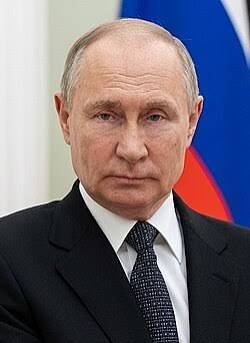
His term started on May 7th 2012 and continues to the present day winning the elections of 2012, 2018, and 2024. The person before him was Dmitry Medvedev who served as Russia’s President from 2008 to 2012. Vladimir Putin also served as Russia’s second President from 2000 to 2008 succeeding Boris Yeltsin. His political party is the All-Russian Political Party “United Russia” which is currently the ruling party of Russia and has been since 2001. It is the majority party in the Duma holding 349 of the 450 seats in the state Duma since 2026. Since 2007, the “United Russia” Political Party has been the dominant party in Russia.
He was born on October 7, 1952 in Leningrad (now St. Petersburg) to working class parents in the Russian SFSR in the old Soviet Union and is of Russian nationality. Before his presidency, he was politician and served in the KGB as a Lieutenant Colonel in Dresden in the former East Germany from 1985 to 1990. He graduated from Leningrad State University with a Law Degree in 1975. His religion is Russian Orthodox.
After the Soviet Union broke up in December 26, 1991, Putin entered politics in St. Petersburg and winning the local election. After serving as deputy mayor for St. Petersburg, he moved to Moscow and was promoted to the Director of the Federal. Security Service in 1998. He served as Prime Minister in 1999 under Boris Yeltsin and acting president later that year. He was re-elected as President in 2004, 2012, 2018 and 2024. In 2020, there were constitutional amendments that reset the term limits with the current term ending in 2030.
Infamous legacy - Putin is an authoritarian figure in the Russian Political Landscape and stands out for consolidating government power and increasing his control of the media, key industries, foreign policy, and investments in modernizing the Russian military. He will forever be remembered for his illegal annexation of the Crimea in 2014 and a full-scale military invasion of neighboring Ukraine in 2022 which continues to this day. On March 17, 2023, the International Criminal Court issued an arrest warrant against Putin for war crimes under articles 8(2)(a)(vii) and 8(2)(b)(viii) of the Rome Statute, specifically the unlawful deportation and transfer of population (children) from occupied areas of Ukraine since at least 24 February 2022.
His parents and harsh beginnings in Leningrad (St. Petersburg)
Figure 1: Putin's Father Vladimir Spiridonovich Putin
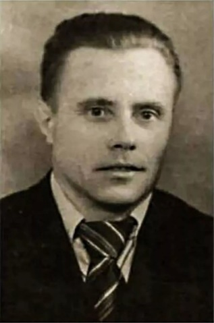
Vladimir’s father was Vladimir Spiridonovich Putin His father, Vladimir Spiridonovich Putin (1911–1999), served in the Soviet Navy's submarine fleet during World War II, where he sustained severe injuries in 1942; after the war, he worked as a factory foreman.
Vladmir’s mother, Maria Ivanovna Shelomova (1911–1998), lived through the 872-day Siege of Leningrad during WW2, nearly dying to starvation and disease, while working in a factory.
Putin had two older brothers who died young—one in infancy shortly after birth in the late 1920s or early 1930s, and the other, Viktor, at age one during the Leningrad siege in 1942 due to diphtheria and starvation. The family lived in a cramped room within a communal apartment (kommunalka) in Leningrad's Basievoi Lane or nearby areas, sharing facilities like kitchen and bathroom with other families amid postwar shortages, rats, and harsh conditions typical of Soviet urban housing for laborers.
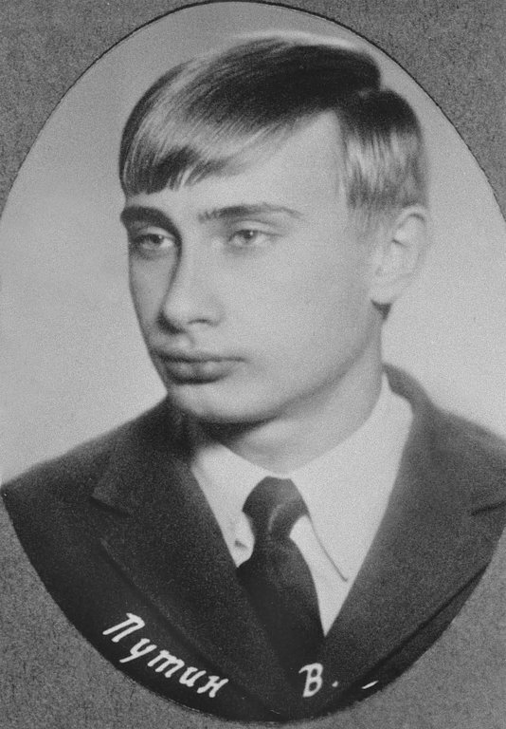
Figure 2: Early Picture of Putin in his Youth
As a child, Putin had a reputation as a hooligan who engaged in street fights in the courtyards of Leningrad (St. Petersburg) in a harsh environment where fighting was common among boys. At the age 12 or 13 he joined a sambo club (a Soviet hybrid of judo and wrestling) and later took up judo, eventually earning master of sports titles and multiple city championships.
He also had an early fascination with espionage stemmed from reading adventure novels. This influenced him to approach local authorities for intelligence work. However, he was directed toward legal training
University Studies and Early Ideological Formation
Putin was admitted via competitive exams in the Faculty of Law at Leningrad State University (then named after Andrei Zhdanov) in 1970, even though he did not stand out in high school. His studies emphasized international law, reflecting the Soviet curriculum's focus on geopolitical and legal frameworks for state interests. In 1972, he joined the Communist Party of the Soviet Union which fit in with the requirements to be recruited by the KGB. Membership in the Communist Party indicated that he accepted conformity of how the regime was set up without his personal ideological fervor going beyond the preservation of the state. His actual activities in the Communist Party included Komsomol activities, as well as participating in the communist youth league. His student involvement reinforced collectivist discipline and anti-Western sentiments that prevailed in Soviet education. Later on he described his experience as more practical than devout adherence.
His political philosophy focused on loyalty to the Soviet state and a practical view of using power to serve the national interest. This mindset developed out of his readings of intelligence-themed literature that glorified espionage as an act of patriotism. Putin’s mindset persisted throughout law school where he viewed his legal training as preparing for intelligence work rather than ideological activism or dissent
Exposure to international law curricula likely deepened his realism toward global power dynamics and prioritizing strategic resource management and state sovereignty. These ideas that he later would revisit in later economic writings offered a big advantage over abstract Marxist theory. It was during this period that he transitioned from youthful adventurism to a more realistic worldview centered on conformity and loyalty to hierarchy and the institutions behind it as well as using the law to advance state objectives rather than veering off towards dissident undercurrents affecting some contemporaries.
In 1975, he graduated with a law degree, having maintained a satisfactory academic performance that was sufficient for entry into state service. He was recruited by the KGB shortly thereafter.
His term started on May 7th 2012 and continues to the present day winning the elections of 2012, 2018, and 2024. The person before him was Dmitry Medvedev who served as Russia’s President from 2008 to 2012. Vladimir Putin also served as Russia’s second President from 2000 to 2008 succeeding Boris Yeltsin. His political party is the All-Russian Political Party “United Russia” which is currently the ruling party of Russia and has been since 2001. It is the majority party in the Duma holding 349 of the 450 seats in the state Duma since 2026. Since 2007, the “United Russia” Political Party has been the dominant party in Russia.
He was born on October 7, 1952 in Leningrad (now St. Petersburg) to working class parents in the Russian SFSR in the old Soviet Union and is of Russian nationality. Before his presidency, he was politician and served in the KGB as a Lieutenant Colonel in Dresden in the former East Germany from 1985 to 1990. He graduated from Leningrad State University with a Law Degree in 1975. His religion is Russian Orthodox.
After the Soviet Union broke up in December 26, 1991, Putin entered politics in St. Petersburg and winning the local election. After serving as deputy mayor for St. Petersburg, he moved to Moscow and was promoted to the Director of the Federal. Security Service in 1998. He served as Prime Minister in 1999 under Boris Yeltsin and acting president later that year. He was re-elected as President in 2004, 2012, 2018 and 2024. In 2020, there were constitutional amendments that reset the term limits with the current term ending in 2030.
Infamous legacy - Putin is an authoritarian figure in the Russian Political Landscape and stands out for consolidating government power and increasing his control of the media, key industries, foreign policy, and investments in modernizing the Russian military. He will forever be remembered for his illegal annexation of the Crimea in 2014 and a full-scale military invasion of neighboring Ukraine in 2022 which continues to this day. On March 17, 2023, the International Criminal Court issued an arrest warrant against Putin for war crimes under articles 8(2)(a)(vii) and 8(2)(b)(viii) of the Rome Statute, specifically the unlawful deportation and transfer of population (children) from occupied areas of Ukraine since at least 24 February 2022.
His parents and harsh beginnings in Leningrad (St. Petersburg)
Figure 1: Putin's Father Vladimir Spiridonovich Putin
Vladimir’s father was Vladimir Spiridonovich Putin His father, Vladimir Spiridonovich Putin (1911–1999), served in the Soviet Navy's submarine fleet during World War II, where he sustained severe injuries in 1942; after the war, he worked as a factory foreman.
Vladmir’s mother, Maria Ivanovna Shelomova (1911–1998), lived through the 872-day Siege of Leningrad during WW2, nearly dying to starvation and disease, while working in a factory.
Putin had two older brothers who died young—one in infancy shortly after birth in the late 1920s or early 1930s, and the other, Viktor, at age one during the Leningrad siege in 1942 due to diphtheria and starvation. The family lived in a cramped room within a communal apartment (kommunalka) in Leningrad's Basievoi Lane or nearby areas, sharing facilities like kitchen and bathroom with other families amid postwar shortages, rats, and harsh conditions typical of Soviet urban housing for laborers.
Figure 2: Early Picture of Putin in his Youth
As a child, Putin had a reputation as a hooligan who engaged in street fights in the courtyards of Leningrad (St. Petersburg) in a harsh environment where fighting was common among boys. At the age 12 or 13 he joined a sambo club (a Soviet hybrid of judo and wrestling) and later took up judo, eventually earning master of sports titles and multiple city championships.
He also had an early fascination with espionage stemmed from reading adventure novels. This influenced him to approach local authorities for intelligence work. However, he was directed toward legal training
University Studies and Early Ideological Formation
Putin was admitted via competitive exams in the Faculty of Law at Leningrad State University (then named after Andrei Zhdanov) in 1970, even though he did not stand out in high school. His studies emphasized international law, reflecting the Soviet curriculum's focus on geopolitical and legal frameworks for state interests. In 1972, he joined the Communist Party of the Soviet Union which fit in with the requirements to be recruited by the KGB. Membership in the Communist Party indicated that he accepted conformity of how the regime was set up without his personal ideological fervor going beyond the preservation of the state. His actual activities in the Communist Party included Komsomol activities, as well as participating in the communist youth league. His student involvement reinforced collectivist discipline and anti-Western sentiments that prevailed in Soviet education. Later on he described his experience as more practical than devout adherence.
His political philosophy focused on loyalty to the Soviet state and a practical view of using power to serve the national interest. This mindset developed out of his readings of intelligence-themed literature that glorified espionage as an act of patriotism. Putin’s mindset persisted throughout law school where he viewed his legal training as preparing for intelligence work rather than ideological activism or dissent
Exposure to international law curricula likely deepened his realism toward global power dynamics and prioritizing strategic resource management and state sovereignty. These ideas that he later would revisit in later economic writings offered a big advantage over abstract Marxist theory. It was during this period that he transitioned from youthful adventurism to a more realistic worldview centered on conformity and loyalty to hierarchy and the institutions behind it as well as using the law to advance state objectives rather than veering off towards dissident undercurrents affecting some contemporaries.
In 1975, he graduated with a law degree, having maintained a satisfactory academic performance that was sufficient for entry into state service. He was recruited by the KGB shortly thereafter.